
Advancing innovative cancer therapies depends on one critical factor: ensuring patients can access early-phase clinical trials. For many individuals with advanced cancers, particularly those driven by complex mutations such as KRAS, treatment options remain limited, and participation in Phase I research can offer a path to emerging therapies.
Expanding global access to these trials is essential to accelerating innovation and improving patient outcomes. Against this backdrop, the enrollment of the first patient at NEXT Oncology’s Phase I clinical research center in Osaka, Japan marks an important milestone in extending early-phase oncology research into the Asia-Pacific region.
Bringing Early-Phase Innovation Closer to Patients
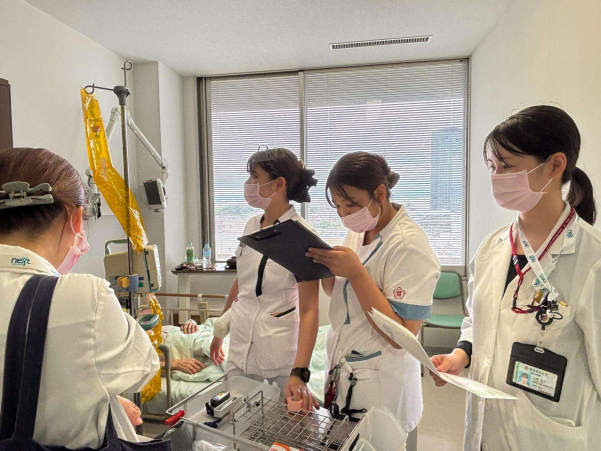
Located within Kansai Medical University Hospital, the Osaka site strengthens access to cutting-edge clinical trials for patients across Japan and the wider Asia-Pacific region. By embedding Phase I capabilities in a leading academic medical center, the program enables patients to participate earlier in the development of new therapies, when novel approaches may offer the greatest potential benefit.
At the same time, the expansion provides biotechnology and pharmaceutical partners with access to more diverse patient populations, helping to advance global clinical development and generate insights that reflect real-world disease variability.
Advancing Research in KRAS-Mutant Cancers
The first patient enrolled at the Osaka center is participating in a Phase I study evaluating an investigational Pan-KRAS targeted protein degrader for advanced solid tumors harboring KRAS mutations.
KRAS mutations are among the most common oncogenic drivers across multiple cancer types and have historically been difficult to target therapeutically. However, recent scientific advances are rapidly reshaping the treatment landscape, with a growing number of targeted approaches under investigation.
Studies like this represent an important step forward in expanding the range of therapeutic strategies being explored and offering new possibilities for patients who have exhausted standard treatment options.
Leadership Perspective: Expanding Possibilities for Patients
Clinical leaders at NEXT Oncology Japan emphasize the importance of continuing to explore new therapeutic approaches for patients with KRAS-mutant cancers.
“More treatment options and modalities are needed to address KRAS-mutant advanced cancers,” said Dr. Tatsuki Ikoma, medical oncologist and clinical investigator at NEXT Oncology Japan.
Prof. Toshio Shimizu, Early-Phase 1 Drug Development Service at Kansai Medical University Hospital and Director of NEXT Oncology Japan highlighted the broader significance of early-phase research in improving patient outcomes:
“We are encouraged to treat our first patient at the Osaka center and look forward to bringing additional investigational therapies into development. Advances in KRAS-targeted approaches are creating meaningful opportunities to improve outcomes for patients with limited options. Clinical research plays a critical role in advancing both quality of life and survival.”
Accelerating Early-Phase Drug Development Globally
NEXT Oncology’s global network of Phase I research centers is designed to connect patients with innovative investigational therapies at the earliest stages of development. By partnering with biotechnology and pharmaceutical companies, the network helps accelerate clinical timelines while expanding access to next-generation treatments.
The recent addition of the Osaka site represents another step in building a globally integrated model for early-phase oncology research, bringing trials closer to patients while enabling more efficient, inclusive, and data-rich development programs.
With operations spanning North America, Europe, Latin America, and Asia-Pacific, NEXT Oncology continues to expand its reach and impact in early-phase drug development.
Looking Ahead
As oncology innovation evolves, improving access to early-phase clinical trials will remain a critical priority. Expanding global research infrastructure not only increases opportunity for patients but also strengthens the ability of sponsors to develop therapies that address diverse populations and unmet medical needs.
The launch of NEXT Oncology’s Phase I center in Japan reflects this broader shift: bringing innovative science, clinical expertise, and patient access together to accelerate the future of cancer care.
About NEXT Oncology
NEXT Oncology, an Avacare business, is dedicated to developing novel anti-cancer agents for patients whose current therapies are no longer effective. As part of the Avacare Clinical Research Network within the IQVIA family, NEXT Oncology connects sponsors, investigators, and patients to accelerate innovation and expand access to promising new therapies worldwide.